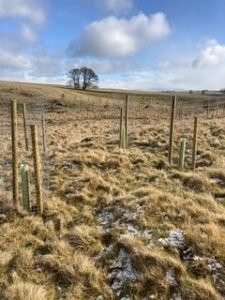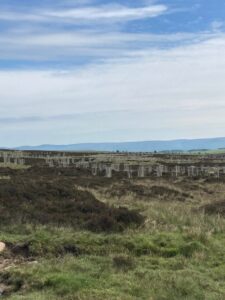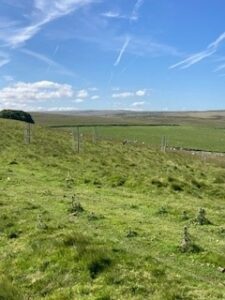
We have completed the planting of over 250 thousand trees and shrubs as part of one of the largest woodland creation schemes currently ongoing in England.
The scheme, which covers an area of 2378 hectares of Common Land in the Crosby Ravensworth region of Cumbria, has seen the creation of 258 hectares of scattered scrubland and 168 hectares of pasture woodland.
The company was appointed to conduct the work on behalf of Crosby Ravensworth Commoners Association who developed the scheme working in partnership with the Local Landowner and Natural England.
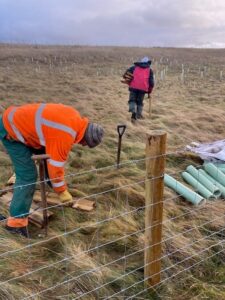
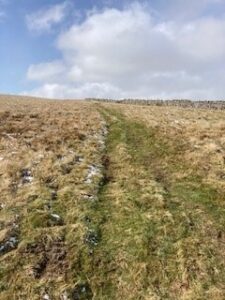
Crosby Ravensworth Wood Pasture
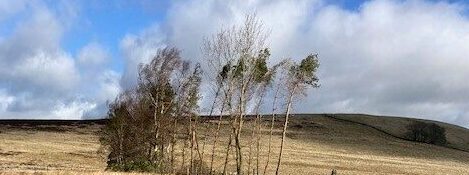
Wood Pasture is a habitat which is in serious decline in the UK and as a collective along with Natural England we will be conserving, enhancing, and extending existing wildlife habitats which is great news for Crosby Ravensworth Common. Around this common there are remnants of wood pasture on the adjacent and nearby allotments and fields. The planting proposals aim significantly increases the area of this habitat type in a way which benefits biodiversity, replicates the existing wooded pattern and historic medieval features.
The planting consisted of typical local native species – particularly Oak, Rowan, Birch, Wych Elm and Wild Cherry, in keeping with the landscape and character of the common. Planting between 40 and 60 trees per hectare, with a wide variety of species and avoiding a uniform pattern providing differing micro- climate opportunities for all wildlife.
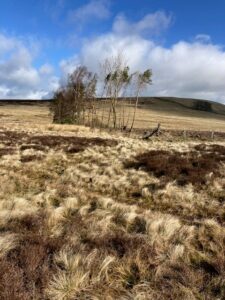
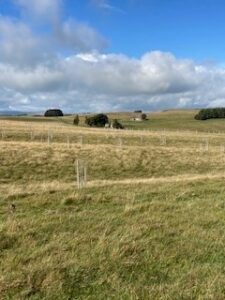
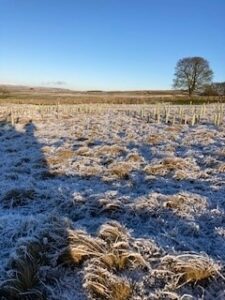
Scattered Scrub
Like wood pasture, increasing the extent of native scrub is a national policy focus and achieving this requires the development of new areas of scrub. These will buffer and extend the existing scrub patches, follow the natural pattern of scrub in the specific location and will have appropriate species mixes. The aim of the proposed scrub creation is to increase the area of habitat type in a way which benefits biodiversity and is in keeping with the landscape and character of the common. Scattered native scrub already exists on the common in some locations, in allotments, fields adjacent and close to the common. The already differing densities of mature scrub, the various spacing and the open space between the individual stems provide both visual variety and microclimate variations which benefit different plants, fungi, and insects. The planting of the scrub will mimic this variety, with widely varied planting densities and open space of up to 40%.
The longer-term aim of the planting is to create scattered scrub of varying density, with open grassland areas between. During the establishment phase grazing livestock will be excluded.